

Fertility preservation

Women's health

Diagnosis with less tissue damage

Full molecular profile
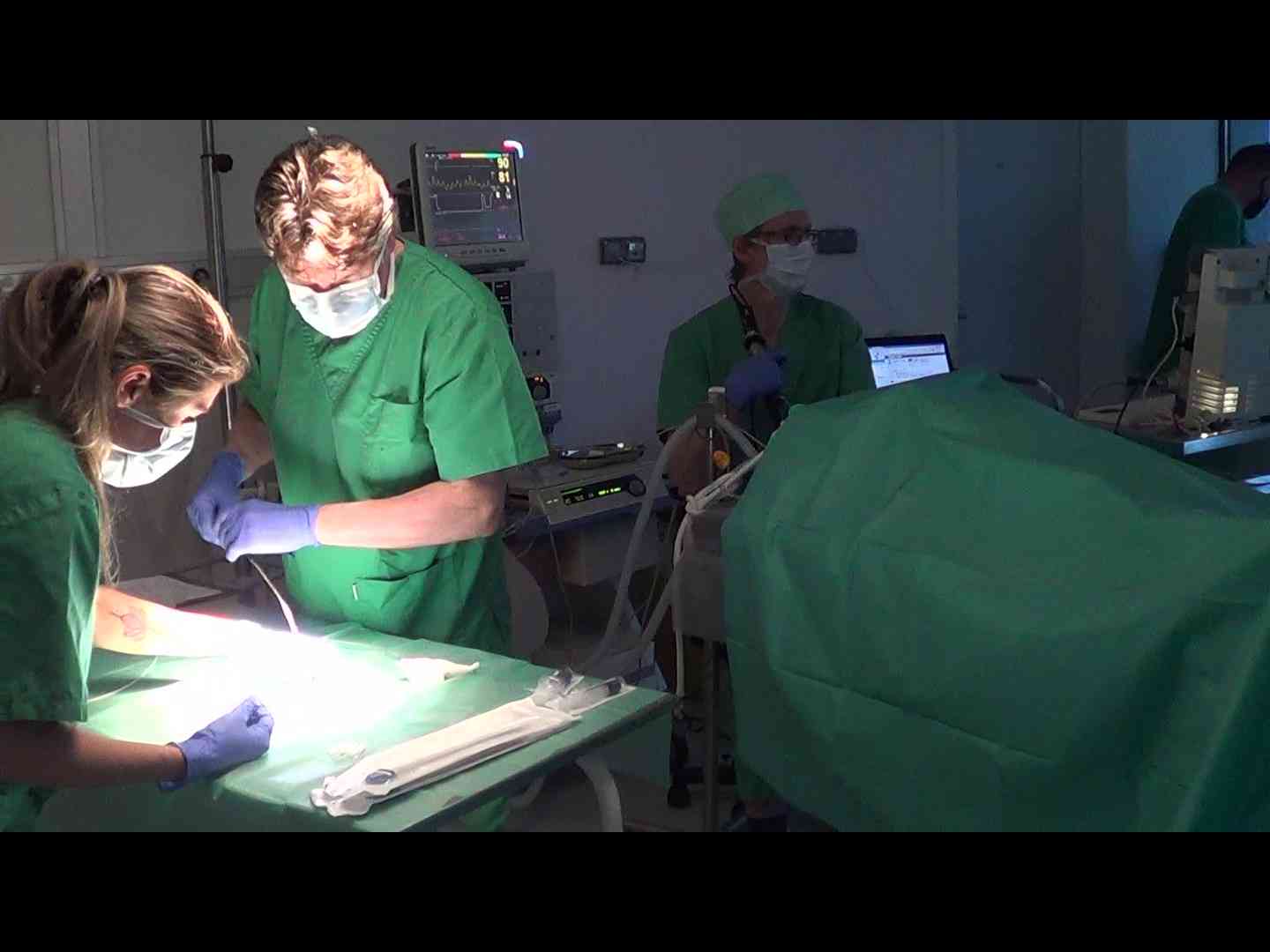
Concerns about intactness of the uterus during diagnostic work-ups for infertility have paved the way for abandoning diffuse blind uterine explorations, such as dilatation of the cervix and differential curettage (D&C). The least invasive way to study the uterine wall is to enter the uterine cavity with a small hysteroscope, pinpoint the lesion of interest, and perform a targeted intramural biopsy. Forceps can only take samples of the superficial, often contaminated, endometrium. The Spirotome penetrates the uterine wall in a extremely manually controlled way and harvest tissue all the way.
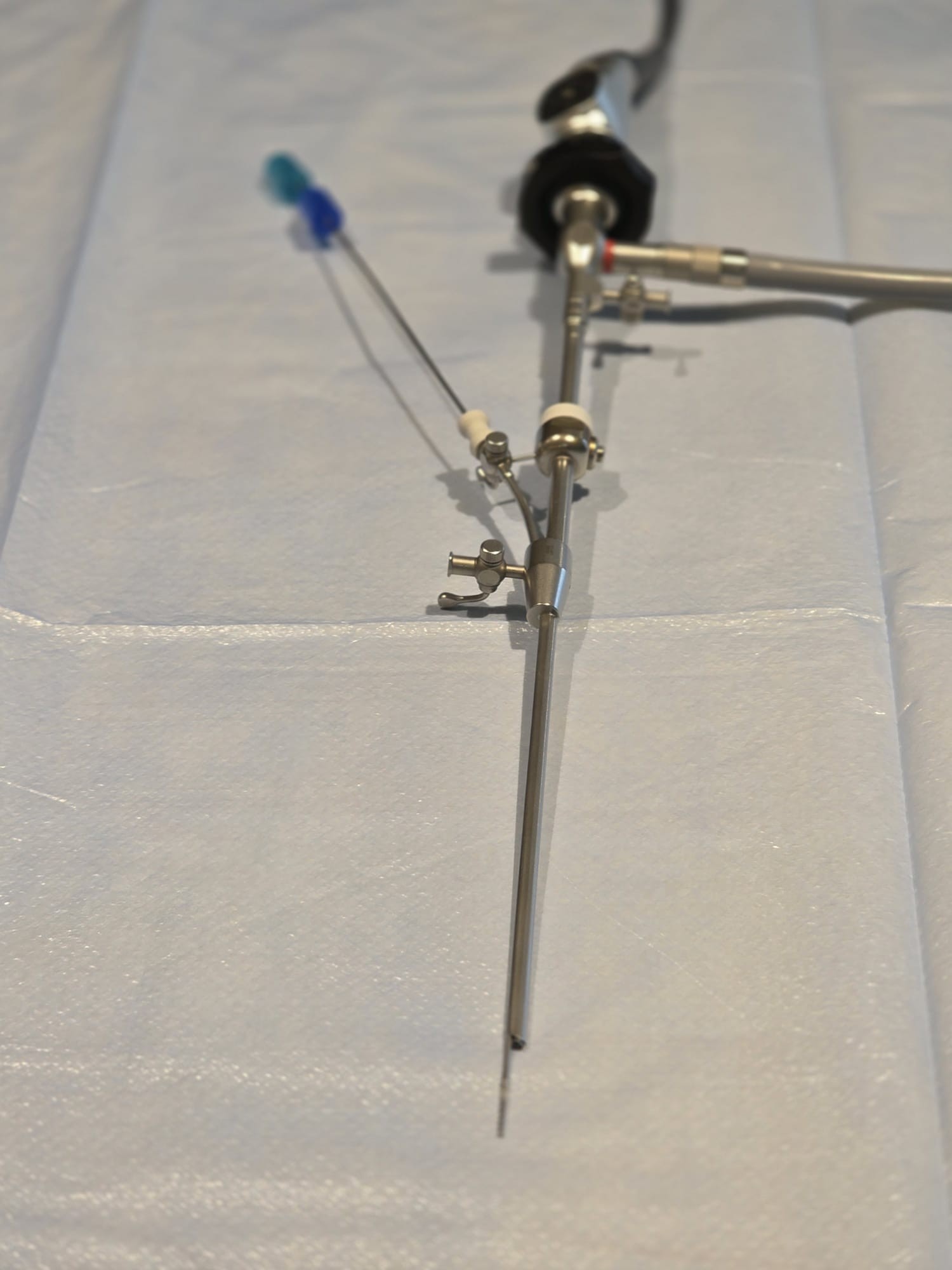
Gynecologists are now able to generate information from the visible lesion downwards to the microscopical and molecular level in one, office based, procedure. But there is more. With the Spirotome Endo guidance was possible under endoscopic control and ultrasound. Visibility of the helix and cutting edge of the outer cannula in the target tissue is outstanding, providing an excellent control over the procedure and avoiding penetration of the serosa. But still, 2 instruments had to be inserted through the cervix. Biopsy through the working channel of the hysteroscope is now possible with the
Spirotome Flex. Tortuosity can predictably be designed and torque transmission is 1/1. All these innovations of uterine tissue sampling makes adenomyosis, intramural fibroma’s, Castleman disease, infections, vasculitis, and cancer more accessible. The technical sheet tells more about the dimensions of the Spirotome Flex. More clinical and scientific info: www.bioncise.com or info@bioncise.com. Technical details see under.